



Crackdown on violence against children
In-depth analysis of the resurgence of violence and child exploitation in Libreville.
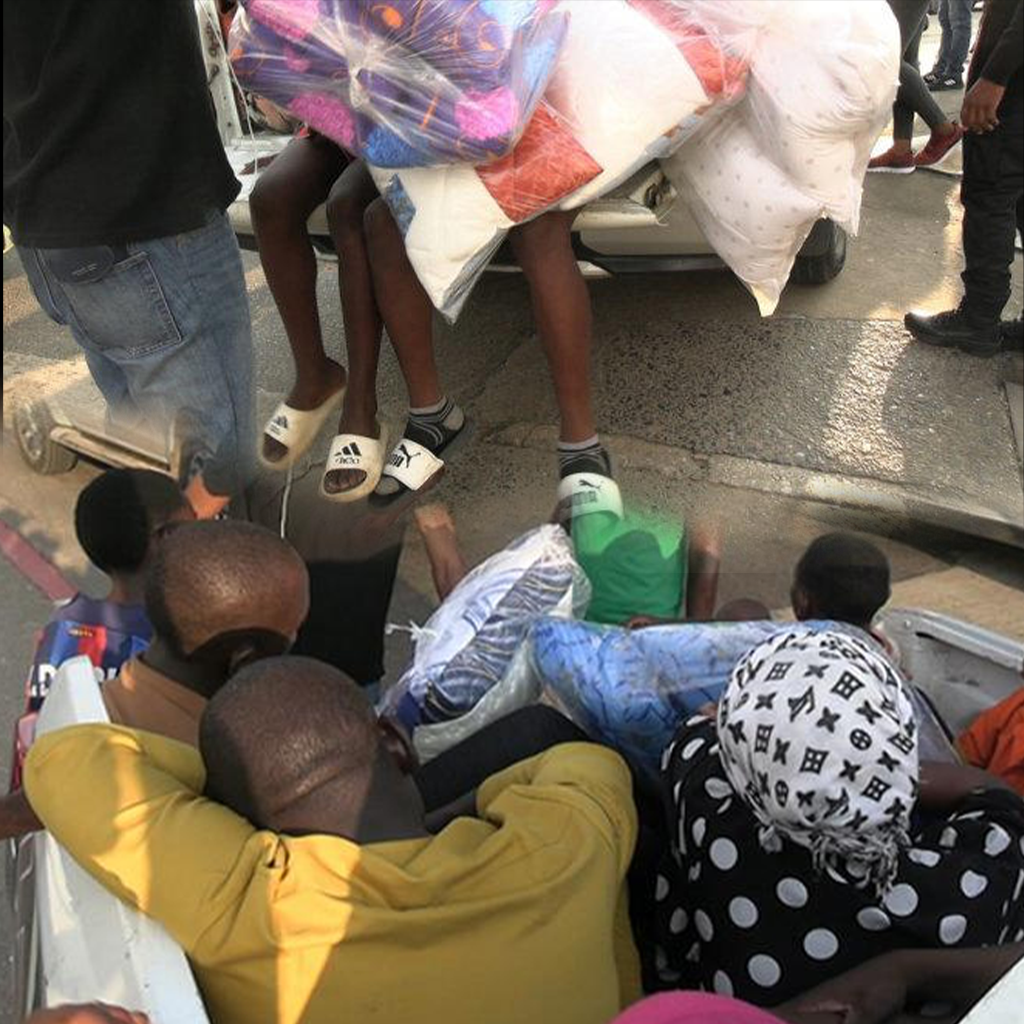
I n response to an alarming increase in acts of violence, abuse, and the socio‑economic exploitation of children in Libreville, the Directorate of Social Affairs, Child Protection and Judicial Assistance (DASPEAJ), in collaboration with the Public Prosecutor’s Office at the Libreville Court and Judicial Police Officers, recently carried out a large‑scale operation that led to the arrest of 46 individuals suspected of being responsible for these serious offenses.

Analysis of the Phenomenon The increase in these acts reflects a deep structural problem, combining poverty, a lack of social oversight, and institutional weaknesses. Children, often deprived of family protection or made vulnerable by difficult socio‑economic conditions, become easy targets for abusers and exploiters. These perpetrators take advantage of the absence of effective prevention and enforcement mechanisms to commit physical, psychological, and economic violence. Data reveal a worrying trend: mistreatment is no longer confined to traditional environments; it now infiltrates domestic, school, and even professional settings, severely affecting the physical and mental development of the victims. If you want, I can help you continue the analysis, draft a full report, or adapt the tone (journalistic, official, academic, advocacy‑oriented).
The joint operation carried out by the DASPEAJ, the Public Prosecutor’s Office, and the Judicial Police forces was a notable success. It resulted not only in targeted arrests but also in the immediate sensitization of communities to the seriousness of the issue. However, the effectiveness of this one‑off intervention will depend on the implementation of sustainable complementary measures. Proposed Solutions 1- Legislative and judicial strengthening: Revise and tighten child‑protection laws, and accelerate judicial procedures to ensure exemplary sanctions.
2- Establishment of a community monitoring system: Train and mobilize local stakeholders (teachers, social workers, community leaders) to quickly identify and report cases of abuse. 3- Prevention and education programs: Educate families on children’s rights, the risks associated with abuse and exploitation, and promote alternative protection mechanisms.
4- Socio‑economic support for vulnerable families: Develop economic assistance programs to reduce poverty, a factor that increases children’s vulnerability. 5- Strengthening institutional capacities: Train personnel responsible for child protection and improve coordination between social, judicial, and police services.
In conclusion, the recent operation in Libreville represents a strong signal against violence and the exploitation of children. Nevertheless, it is essential to adopt a comprehensive and integrated approach in order to eradicate this scourge sustainably. All stakeholders—from the State to local communities—must commit to a coordinated effort to ensure that every child enjoys a protected and fulfilling childhood.